Where to Invest in Dubai Real Estate in 2026–2027
Back
Dubai’s property market is entering a phase where long-term fundamentals matter more than short-term momentum. Population growth, infrastructure investment, and strategic urban expansion are shaping where demand will concentrate over the coming years. For investors evaluating entry into the market in 2026–2027, the question is less about chasing headline projects and more about identifying districts supported by structural drivers.
Today, the strongest investment logic in Dubai can be divided into three categories: core liquidity zones, expansion corridors tied to economic growth, and premium coastal districts benefiting from global demand.
Core Urban Zones - Stability, Liquidity and Rental Depth
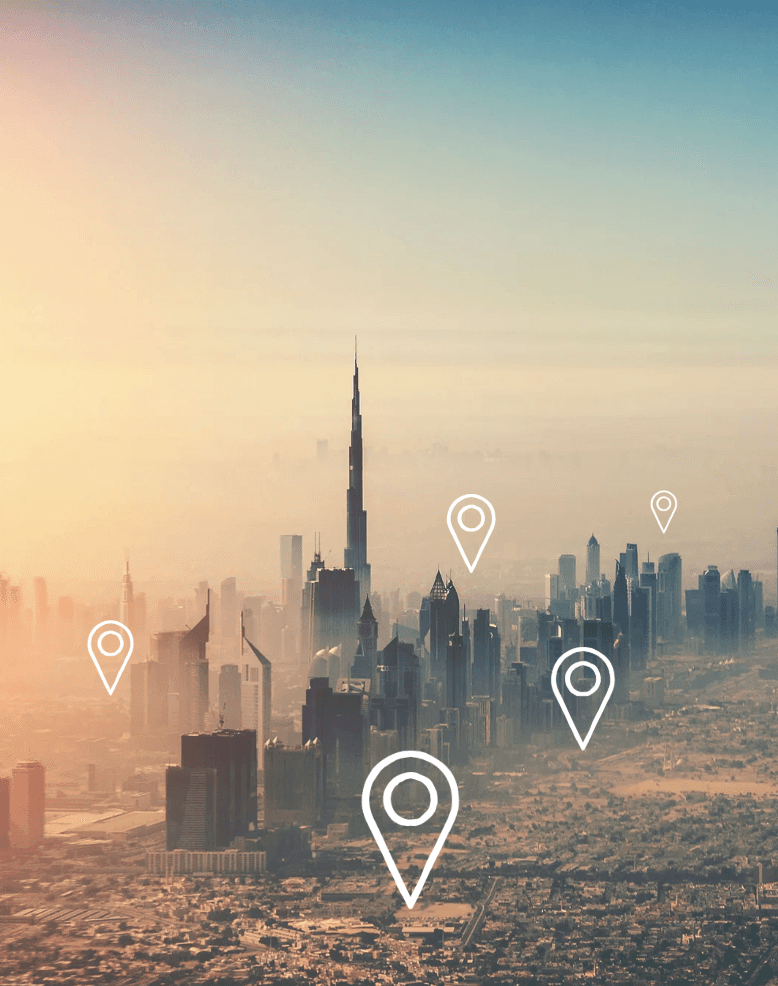
Central districts remain the backbone of Dubai’s residential market. Areas such as Business Bay and the Downtown periphery continue to attract professional tenants, corporate residents, and international buyers seeking proximity to financial and commercial hubs.
These locations rarely deliver explosive growth at this stage of the cycle, but they offer something equally valuable: liquidity. In mature markets, the ability to resell quickly or maintain consistent occupancy often outweighs speculative appreciation. For investors building a balanced portfolio, core urban zones continue to serve as a stabilizing anchor.
Expansion Corridors - Infrastructure and Employment-Driven Growth
The next wave of appreciation in Dubai is likely to be tied to districts supported by infrastructure delivery and economic expansion rather than pure lifestyle positioning. Areas linked to the aviation, logistics, and new transport corridors - particularly Dubai South and Creek Harbour - are positioned to benefit from population redistribution and employment growth.
Historically, Dubai’s strongest growth phases have followed infrastructure completion rather than announcement. As connectivity improves and residential communities mature, these zones often transition from early-stage speculation to sustained demand, creating opportunities for investors entering before full stabilization.
For those with a medium-term horizon, expansion corridors represent the segment most closely aligned with Dubai’s long-term urban strategy.
Premium Coastal Districts - Global Demand and Capital Preservation
Dubai’s coastline has consistently defined its most resilient property segment. Waterfront communities combine lifestyle appeal with limited supply - a combination that historically supports long-term value retention.
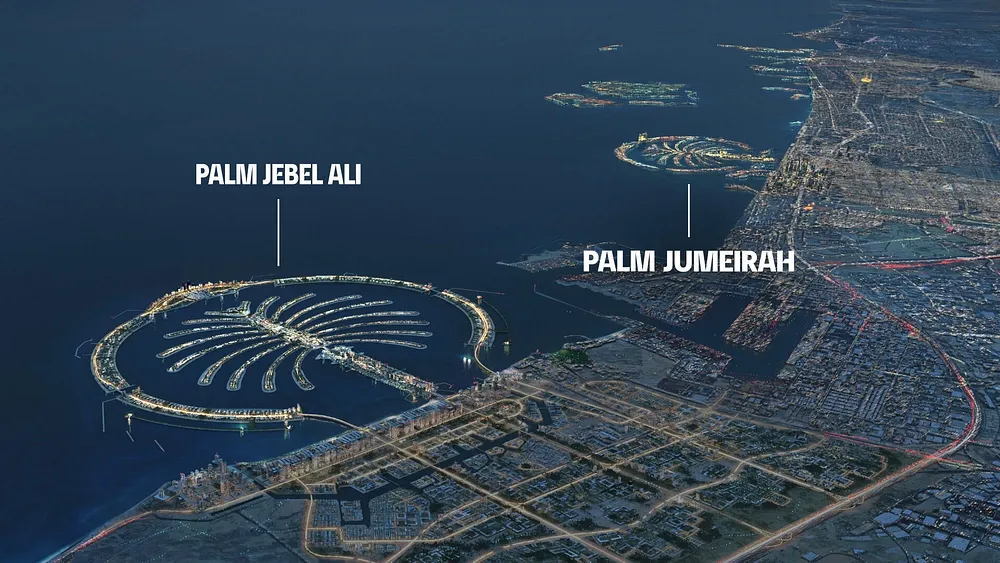
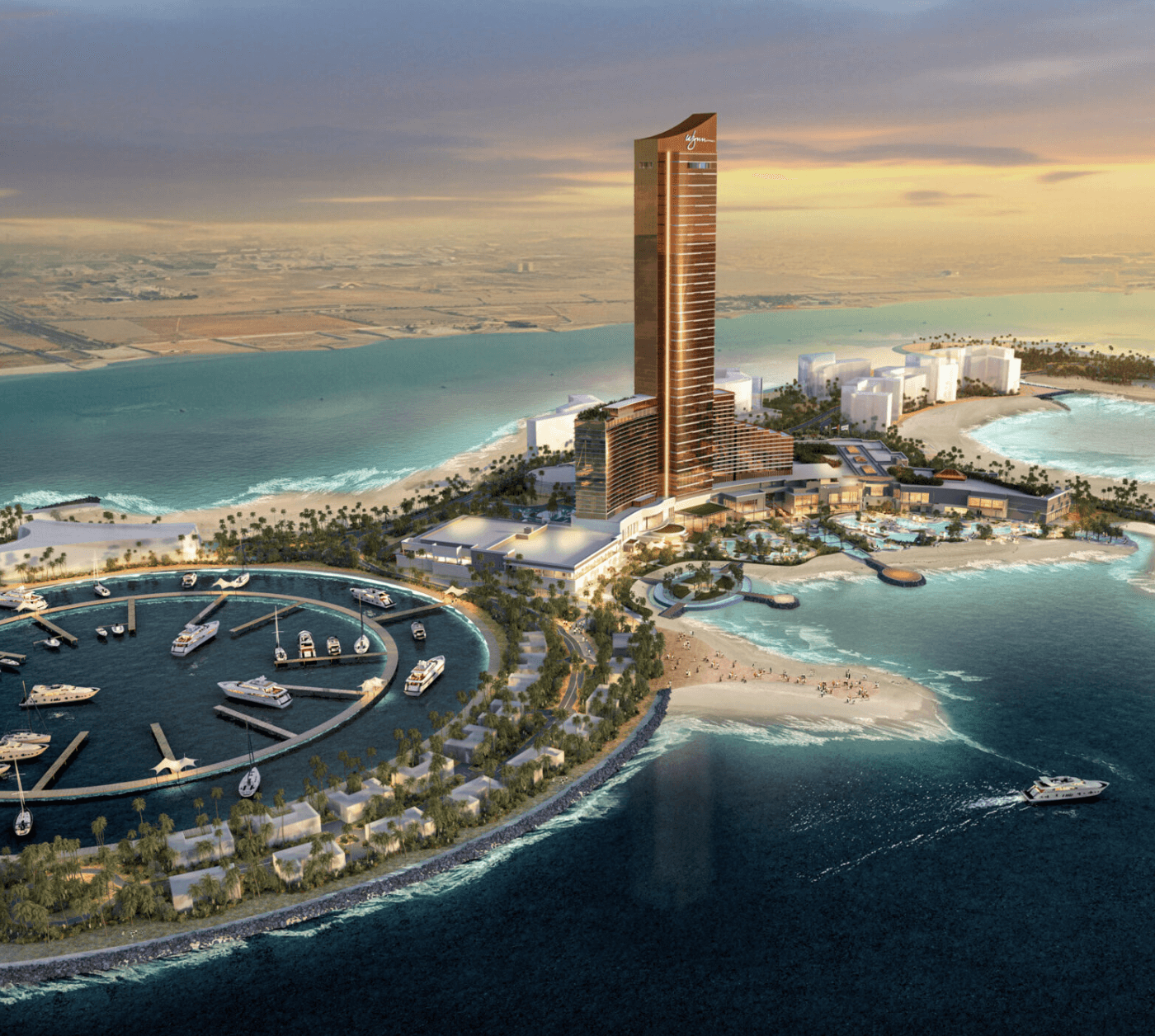
Projects such as Port de La Mer, the development of Dubai Islands, and the relaunch of Palm Jebel Ali form part of a broader coastal expansion strategy. These districts attract international buyers, lifestyle investors, and long-stay residents, creating demand that extends beyond local market cycles.
For investors seeking exposure to Dubai’s global positioning as a luxury residential hub, coastal zones remain one of the most defensible long-term asset classes.
Conclusion
Dubai’s next property cycle will likely reward strategic positioning over opportunistic entry. Core districts provide liquidity and stability, infrastructure-driven zones offer growth potential, and coastal developments represent long-term premium assets supported by international demand.
Rather than focusing on a single “best” district, investors entering the market in 2026–2027 are increasingly combining these segments to balance stability, appreciation potential, and global appeal. In a city defined by expansion, understanding where structural demand will concentrate is becoming the real competitive advantage.
Strategic Real Estate Advisory